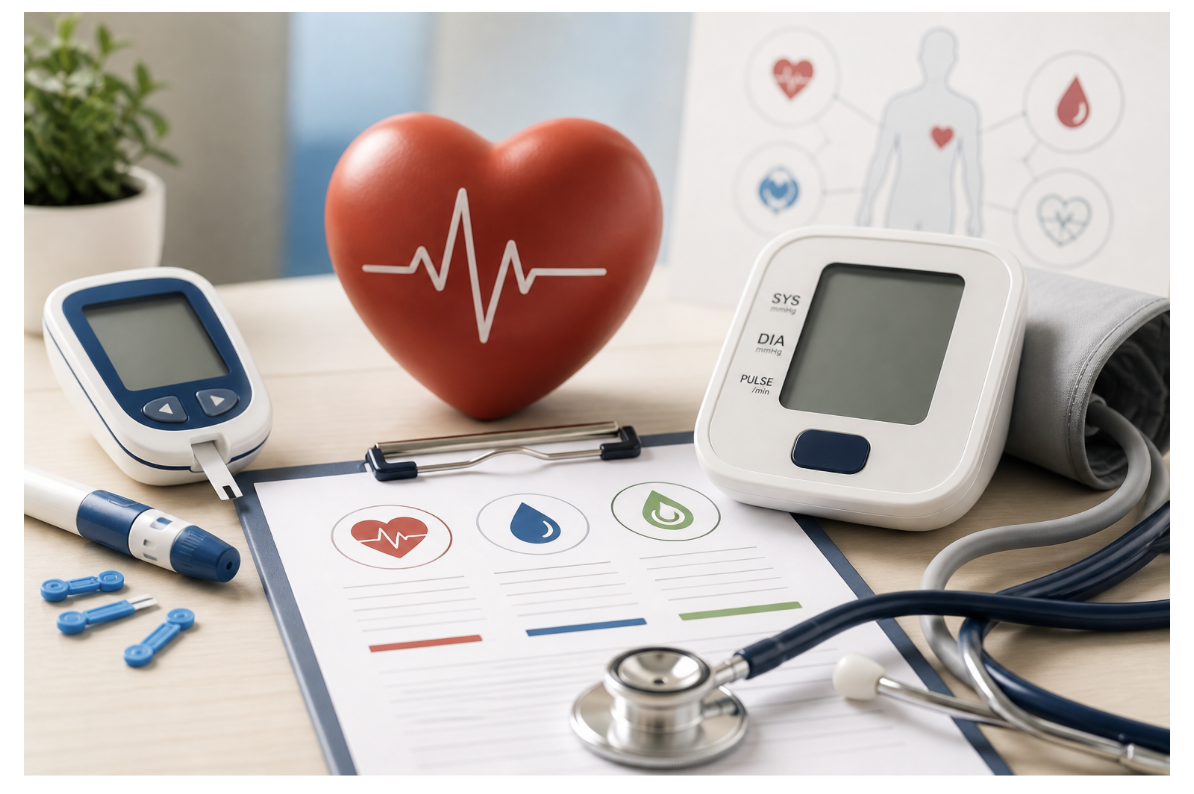
Blood Sugar and Heart Health: Understanding the Connection Between Glucose and Cardiovascular Risk
Blood sugar is often associated with diabetes, but its importance extends beyond metabolic health. Over time, elevated blood sugar can also affect the heart and blood vessels, making glucose levels an important part of understanding overall cardiovascular risk.
Monitoring blood sugar alongside factors such as cholesterol, blood pressure, family history, and lifestyle can provide a more complete picture of your long-term heart health.
What Is Blood Sugar?
Blood sugar, also known as blood glucose, is the amount of glucose circulating in your bloodstream. Glucose is an important source of energy for your body's cells and primarily comes from the foods you eat.
The hormone insulin helps move glucose from the bloodstream into cells, where it can be used for energy. When the body does not produce enough insulin or cannot use it effectively, glucose can remain in the blood and blood sugar levels may rise.
How Can High Blood Sugar Affect the Heart?
When blood sugar remains elevated over time, it can contribute to changes in the blood vessels and cardiovascular system.
Persistently high blood sugar may be associated with:
- Damage to blood vessels
- Increased inflammation
- Changes in cholesterol and triglyceride levels
- Greater risk of plaque buildup within the arteries
- Increased cardiovascular disease risk
These changes usually develop gradually, which is one reason monitoring blood sugar can be valuable even when you feel healthy.
The Connection Between Diabetes and Heart Disease
People with diabetes have an increased risk of developing cardiovascular disease. However, cardiovascular risk can begin to change before a person develops diabetes.
Prediabetes occurs when blood sugar levels are higher than normal but not yet within the diabetes range. Identifying elevated blood sugar earlier may provide an opportunity to address other cardiovascular risk factors and discuss appropriate lifestyle or medical strategies with a healthcare provider.
How Is Blood Sugar Measured?
Several blood tests can help healthcare providers evaluate how your body manages glucose.
Common tests include:
- Fasting blood glucose: Measures blood sugar after a period without eating.
- Hemoglobin A1C: Provides an estimate of average blood sugar levels over approximately the previous two to three months.
- Oral glucose tolerance testing: Measures how the body responds to glucose over a period of time.
Your healthcare provider can determine which tests are appropriate based on your health history and individual risk factors.
Why Look at Blood Sugar Alongside Other Heart Health Markers?
Blood sugar is only one component of cardiovascular health. Healthcare providers may also consider:
- Blood pressure
- LDL and HDL cholesterol
- Triglycerides
- Family history of cardiovascular disease
- Smoking status
- Physical activity
- Age
- Other cardiovascular testing when appropriate
Looking at these factors together can provide a more comprehensive assessment of cardiovascular risk than relying on a single measurement.
Can High Blood Sugar Develop Without Symptoms?
Yes. Elevated blood sugar and prediabetes can develop without obvious symptoms, meaning some people may be unaware that their levels have changed.
Routine bloodwork can help identify changes that might otherwise go unnoticed and allow healthcare providers to determine whether additional monitoring or evaluation is appropriate.
Supporting Healthy Blood Sugar and Heart Health
Many of the habits that support healthy blood sugar levels also contribute to cardiovascular health. These may include:
- Regular physical activity
- A balanced diet
- Maintaining healthy sleep habits
- Avoiding smoking
- Managing blood pressure and cholesterol
- Attending recommended health screenings
Individual recommendations can vary, so lifestyle and medical decisions should be discussed with a healthcare provider.
A More Complete View of Your Heart Health
Heart health involves more than cholesterol or blood pressure alone. Blood sugar is another important piece of the cardiovascular health picture.
By evaluating glucose levels alongside other risk factors and screening results, healthcare providers can develop a more personalized understanding of your health and identify areas that may benefit from monitoring or further evaluation.
Understanding the connection between blood sugar and heart health is another way to take a proactive, informed approach to your long-term well-being