Our Blog

A normal ECG is reassuring but does not rule out all heart disease, which is why combining ECG findings with bloodwork, blood pressure assessment, imaging, and individual risk factors can provide a more comprehensive picture of cardiovascular health.
Read more
Chronic stress can affect multiple aspects of physical and mental health, potentially contributing to problems such as high blood pressure, poor sleep, weakened immunity, and unhealthy lifestyle habits, making stress management an important part of maintaining long-term well-being.
Read more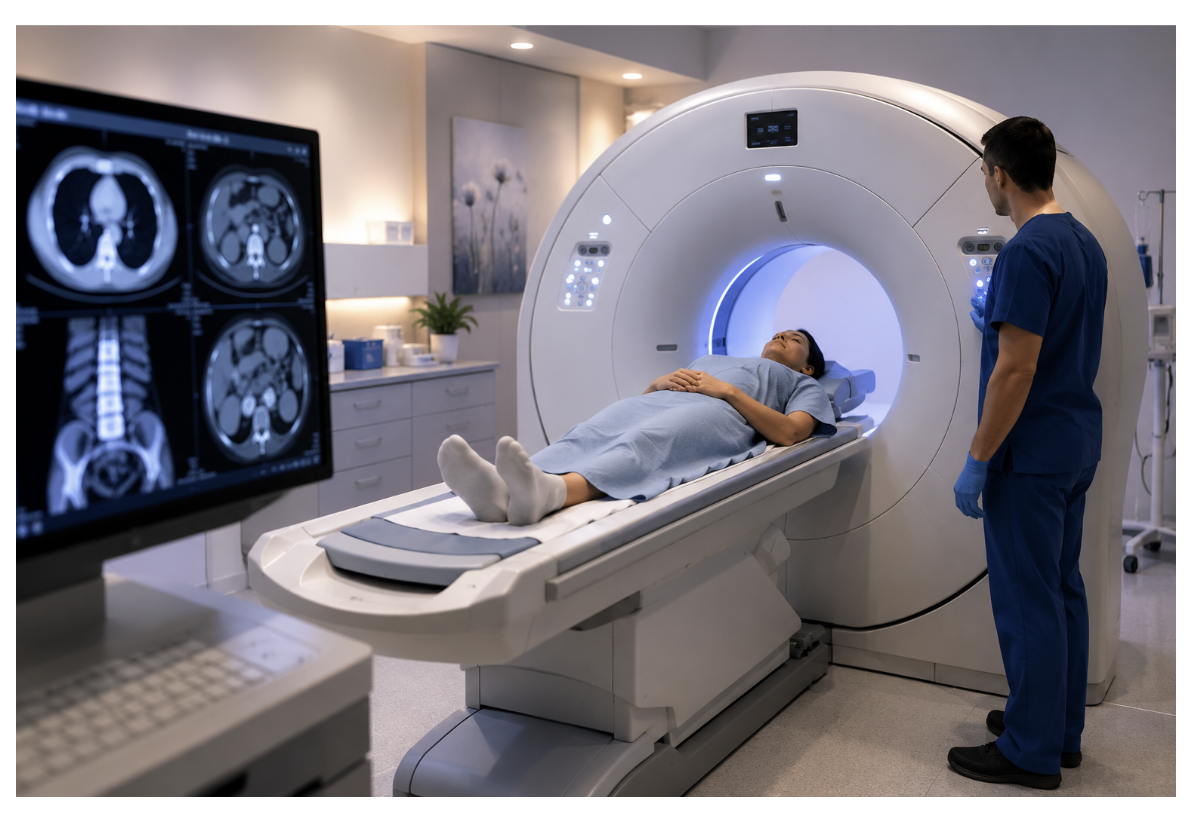
A CT scan is a fast, non-invasive imaging test that uses X-rays to create detailed images of the body, helping healthcare providers detect and evaluate a wide range of conditions and abnormalities.
Read more
Not every tumor is cancer—benign tumors are non-cancerous and typically remain localized, while malignant tumors are cancerous, can invade nearby tissues or spread, and may require prompt evaluation and treatment.
Read more
Baseline health testing establishes a personalized snapshot of your health that can be compared with future results to identify changes, trends, and potential risks over time, supporting more informed and personalized preventive care.
Read more
Blood tests provide valuable information about overall health and certain aspects of cancer risk, but different tests serve different purposes and should be interpreted alongside medical history, imaging, and recommended screening tests.
Read more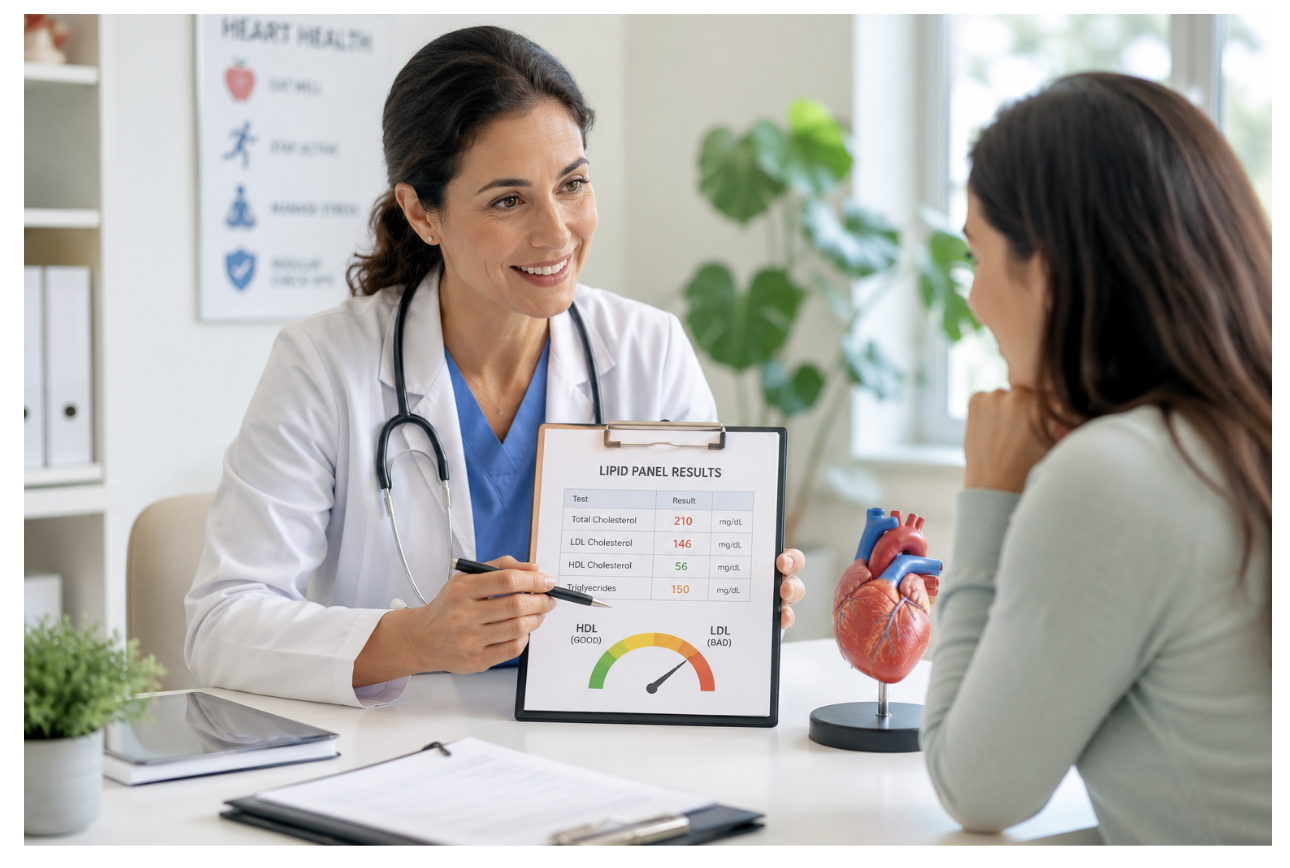
High cholesterol often causes no symptoms, making routine blood testing essential for detecting elevated levels early and taking steps to reduce the risk of heart disease, heart attack, and stroke.
Read more
A Complete Blood Count (CBC) is a routine blood test that evaluates red blood cells, white blood cells, and platelets to provide insight into overall health and help identify conditions that may require further evaluation.
Read more
Some cancers are harder to detect early because they may cause few symptoms, develop in difficult-to-examine areas, progress quickly, or lack routine screening tests, making personalized screening based on individual risk factors especially important.
Read more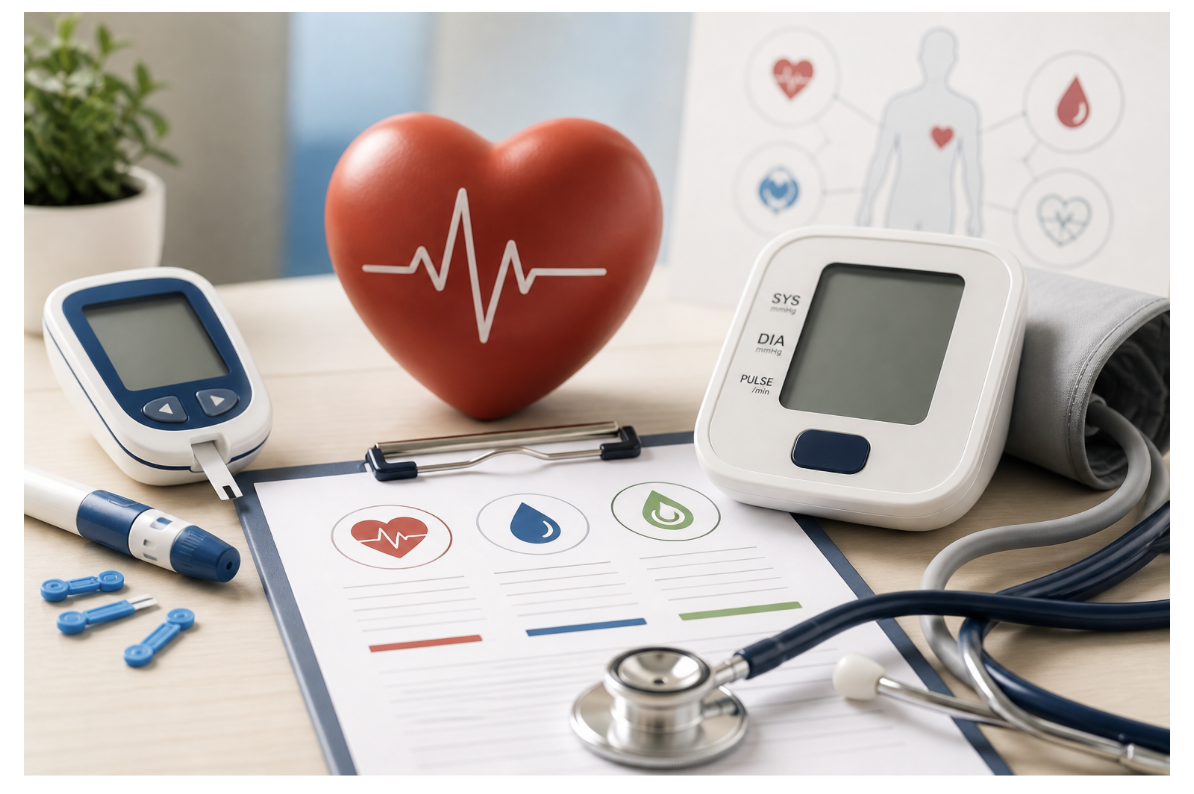
Blood sugar is an important part of heart health, as persistently high levels can increase cardiovascular risk, making regular monitoring alongside factors like cholesterol, blood pressure, family history, and lifestyle important for maintaining long-term health.
Read more
Metastasis is the spread of cancer from its original site to other parts of the body, highlighting the importance of early detection and appropriate screening to identify cancer before it spreads and improve treatment options and outcomes.
Read more
Healthy aging is supported by consistent healthy habits—including regular physical activity, balanced nutrition, quality sleep, stress management, social connection, mental stimulation, and preventive health screening—to promote long-term health and quality of life.
Read more
Understanding your family medical history can help identify potential health risks and guide personalized screening and preventive care, while lifestyle choices can also play an important role in reducing those risks.
Read more
Cancer can develop without early symptoms even in healthy people, making multi-cancer early detection (MCED) testing a potential complementary tool to routine screening for identifying certain cancers earlier.
Read more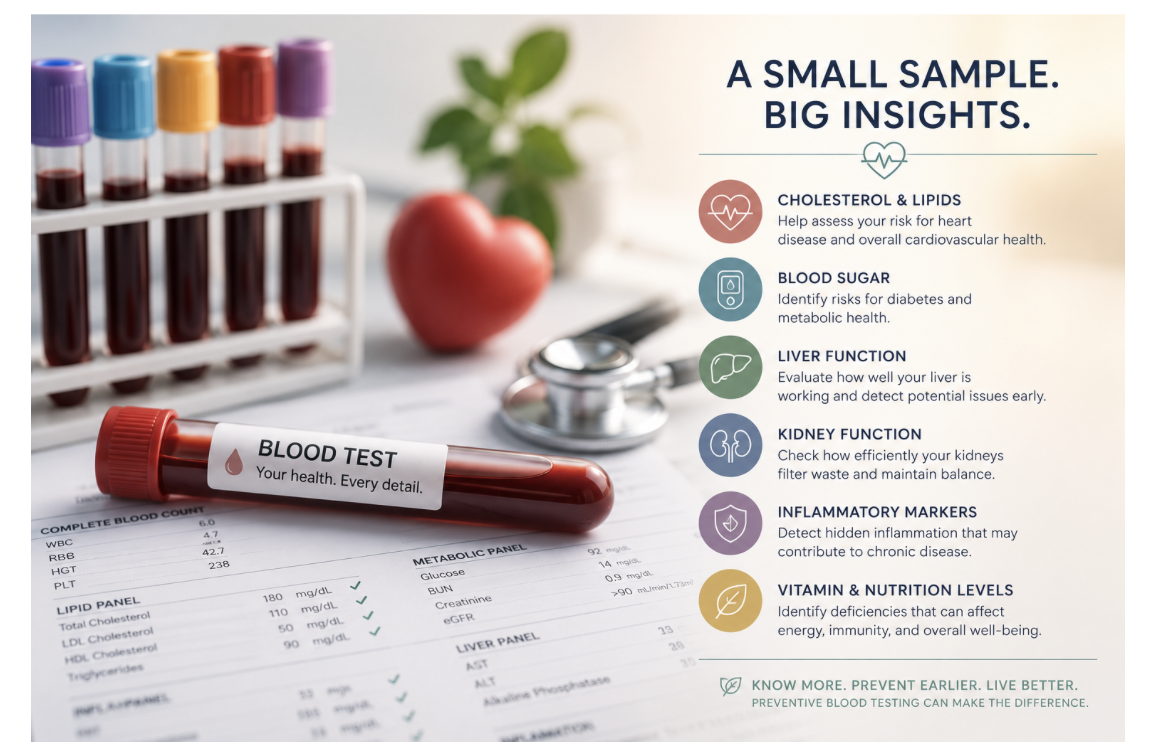
Preventive blood testing can reveal early signs of health issues and provide valuable insights into cholesterol, blood sugar, liver and kidney function, inflammation, and vitamin levels, helping support proactive, personalized healthcare even before symptoms appear.
Read more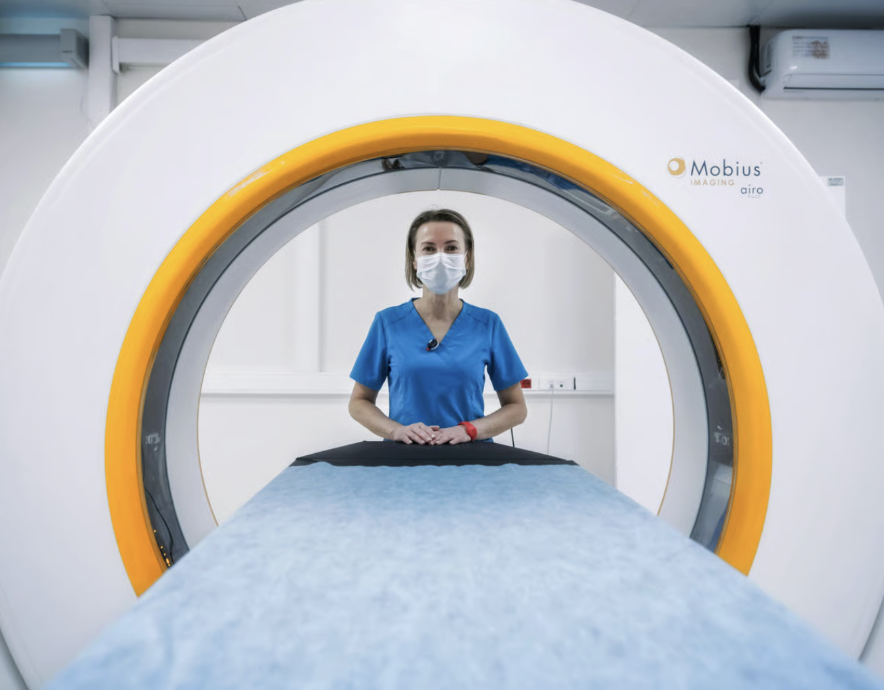
An MRI is a safe, non-invasive imaging test that provides detailed images without ionizing radiation, and knowing what to expect before, during, and after the scan can help make the experience more comfortable and less stressful.
Read more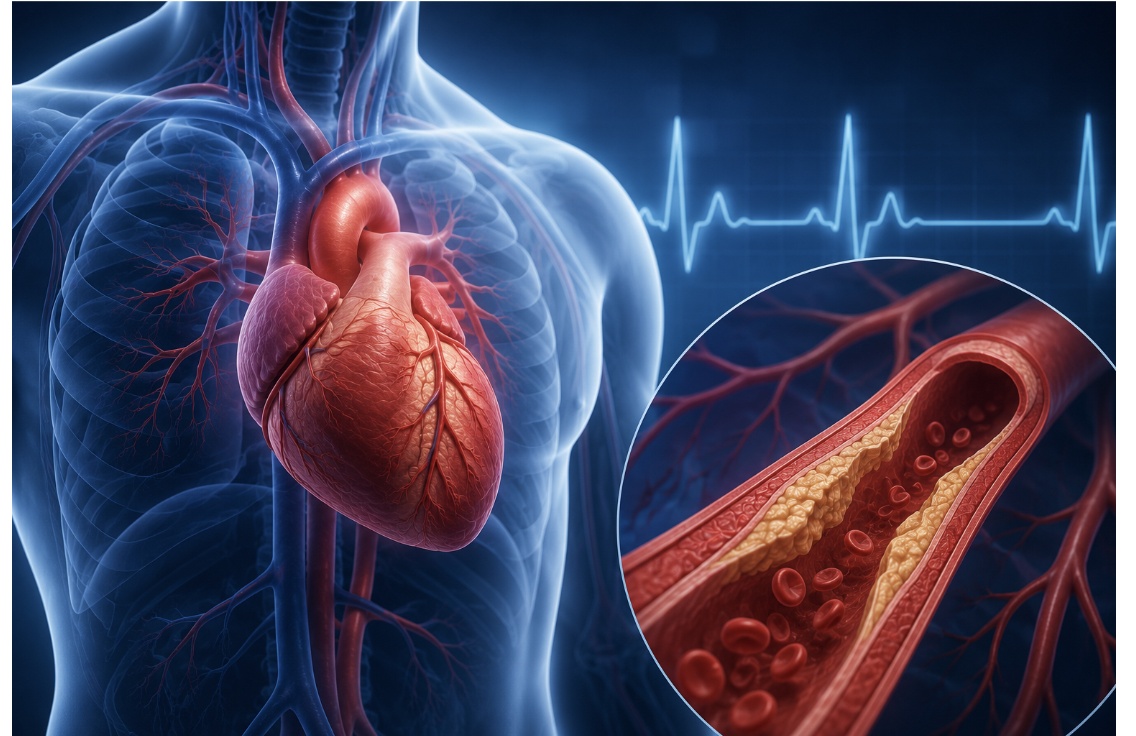
Heart disease can develop silently for years without noticeable symptoms, making awareness of individual risk factors, healthy lifestyle choices, and appropriate preventive screening important for early detection and long-term cardiovascular health.
Read more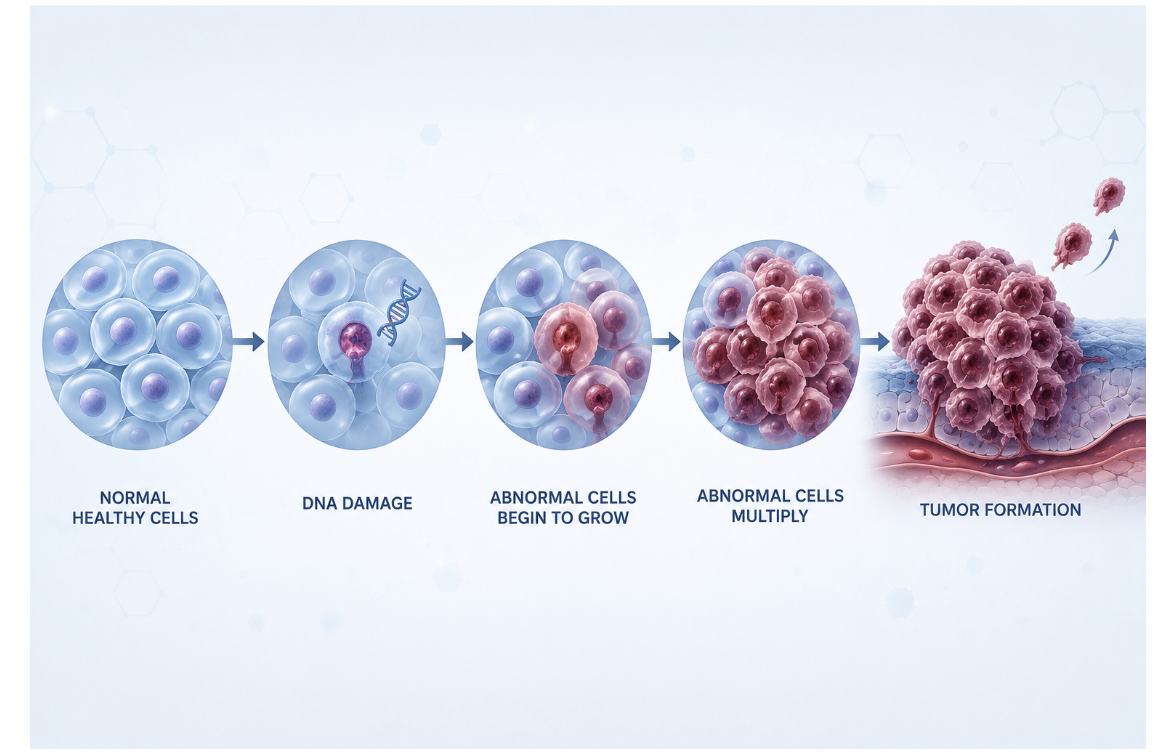
Cancer typically develops gradually as genetic changes cause abnormal cells to grow uncontrollably, often without early symptoms, highlighting the importance of understanding personal risk factors, preventive healthcare, and appropriate screening for early detection.
Read more
MRI is a safe, non-invasive imaging tool that uses magnetic fields and radio waves—not radiation—to provide detailed images and help evaluate a wide range of health conditions.
Read more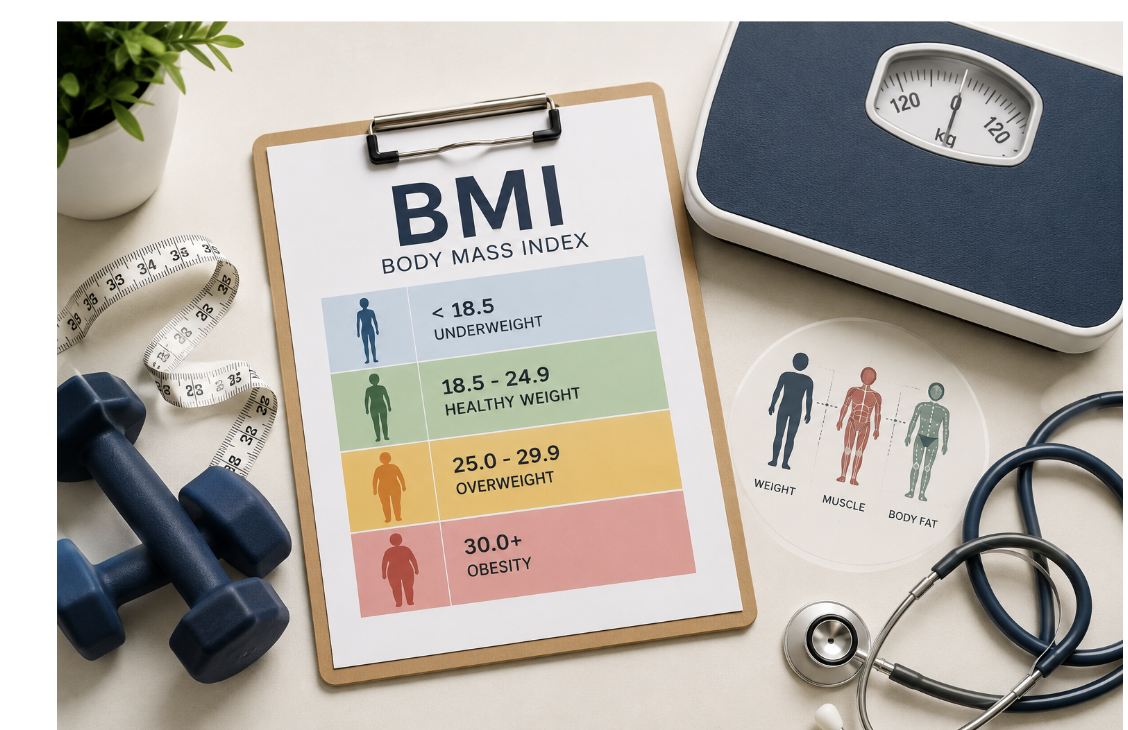
BMI is a useful screening tool for estimating potential health risks, but it should be considered alongside other factors to provide a more complete picture of overall health.
Read more
Bloodwork and tumor marker testing can provide valuable insights into your health and, when combined with other screening methods, help identify changes that may warrant further evaluation.
Read more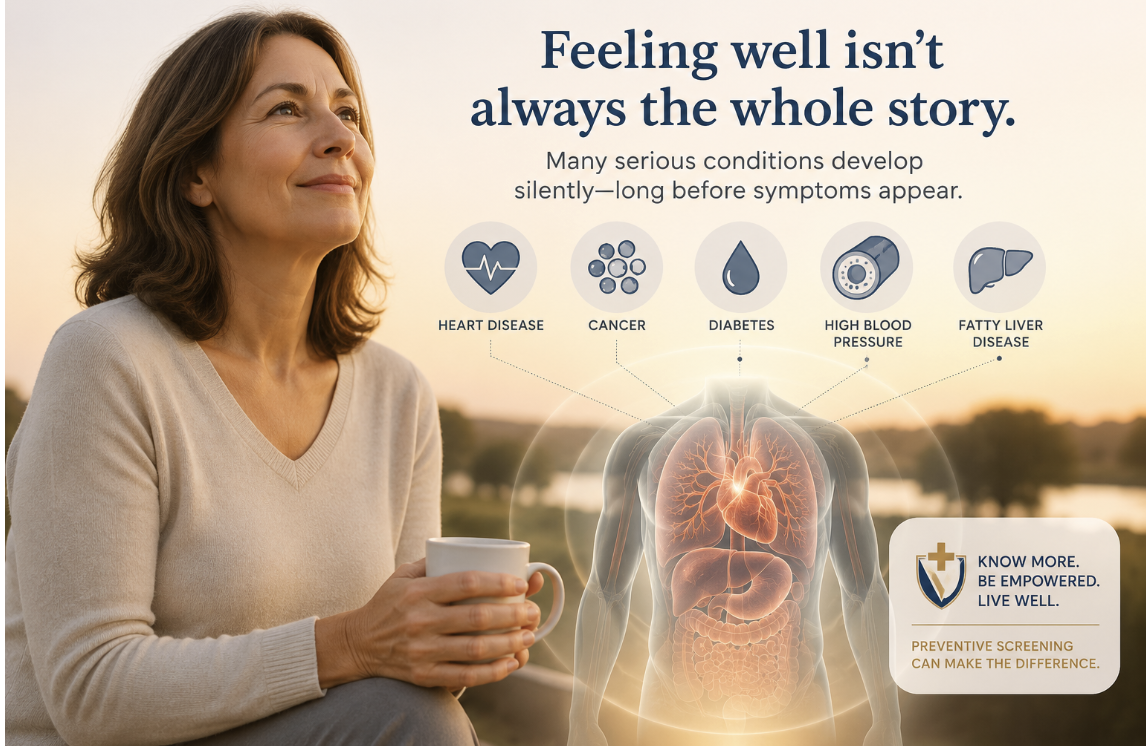
The absence of symptoms does not always mean the absence of disease, which is why preventive screening can help detect serious health conditions earlier, before noticeable warning signs appear.
Read more
An ECG is a quick, painless, and non-invasive test that evaluates the heart’s electrical activity and can help identify rhythm abnormalities as part of a comprehensive approach to cardiovascular health.
Read more
Genetic risk assessment can help identify inherited cancer risks and guide more personalized screening, prevention, and early detection strategies.
Read more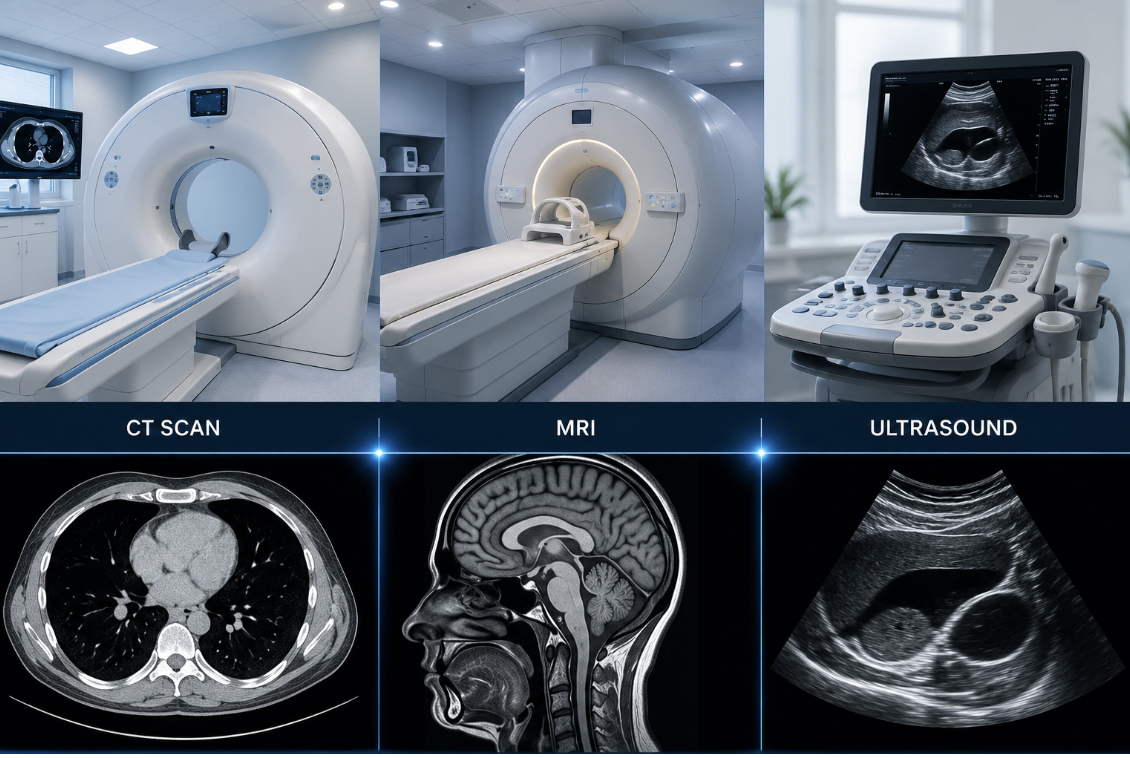
MRI, CT, and ultrasound use different technologies to provide unique views of the body, helping support early detection, accurate diagnosis, and personalized healthcare.
Read more
Multi-cancer early detection (MCED) testing uses a simple blood sample to look for signals associated with multiple cancers, offering an additional tool to support earlier detection and personalized preventive care.
Read more
A personalized risk profile brings together your health history, lifestyle, family history, and screening results to provide a clearer picture of your health risks and guide individualized preventive care.
Read more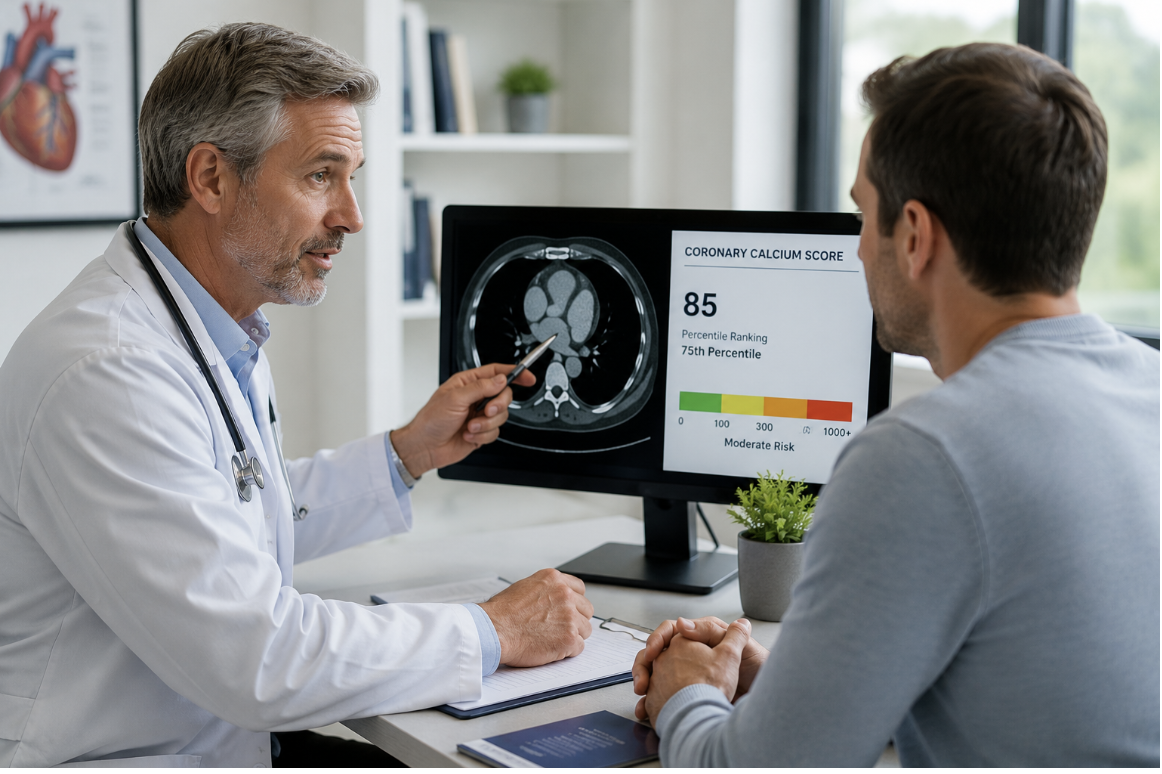
A cardiac calcium score is a quick, non-invasive CT scan that detects calcified plaque in the coronary arteries, helping assess cardiovascular risk and guide personalized preventive heart care.
Read more
DNA methylation testing examines chemical changes that influence how genes function, offering additional insight into health risks and supporting a more personalized approach to preventive care.
Read more
Preventive heart screening can help identify cardiovascular risk factors and early signs of heart disease before symptoms appear, allowing for timely lifestyle changes, treatment, and personalized care.
Read more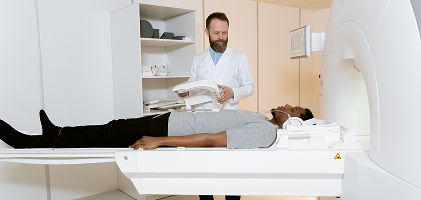
Full-body MRI is a radiation-free imaging tool that can help detect certain abnormalities early, but it should complement—not replace—routine screenings, medical care, and personalized risk assessment with a healthcare professional.
Read more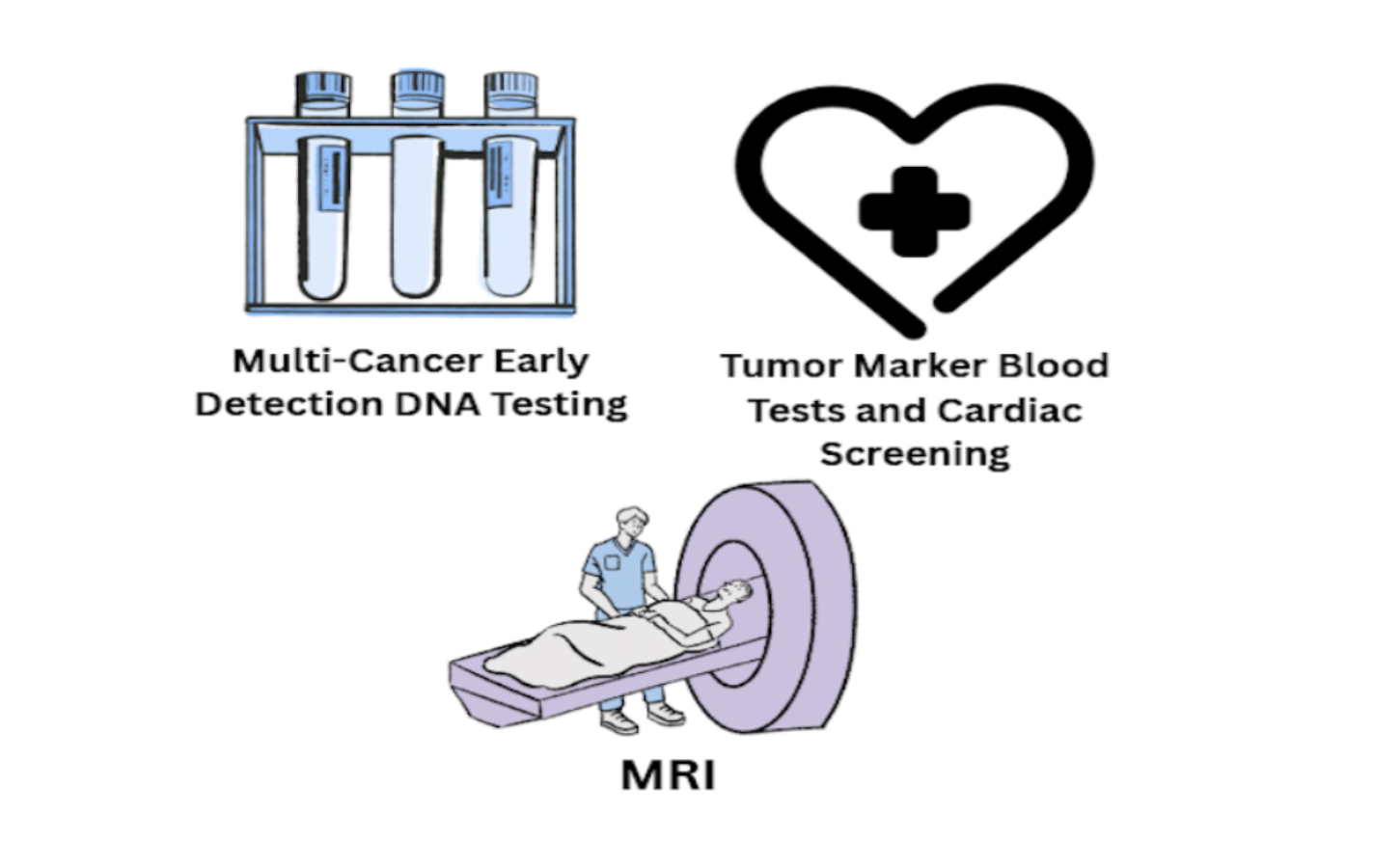
Early cancer screening can help detect certain cancers before symptoms appear, using personalized options such as full-body MRI, multi-cancer early detection (MCED) and blood testing to support proactive, individualized preventive care.
Read more
Persistent or unexplained symptoms such as weight loss, fatigue, bleeding, lumps, or prolonged coughs can sometimes signal serious health conditions, making timely medical evaluation and appropriate screening important for early detection.
Read more