Can You Have Heart Disease Without Symptoms?
Heart disease is often thought of as a condition that causes obvious warning signs such as chest pain or shortness of breath. While these symptoms can occur, many forms of heart disease develop gradually and may not cause noticeable symptoms in their earliest stages.
In fact, some people discover they have heart disease only after routine screening or following a serious event such as a heart attack or stroke.
Understanding how heart disease can develop silently highlights the importance of preventive screening and early detection.
Why Heart Disease Can Go Undetected
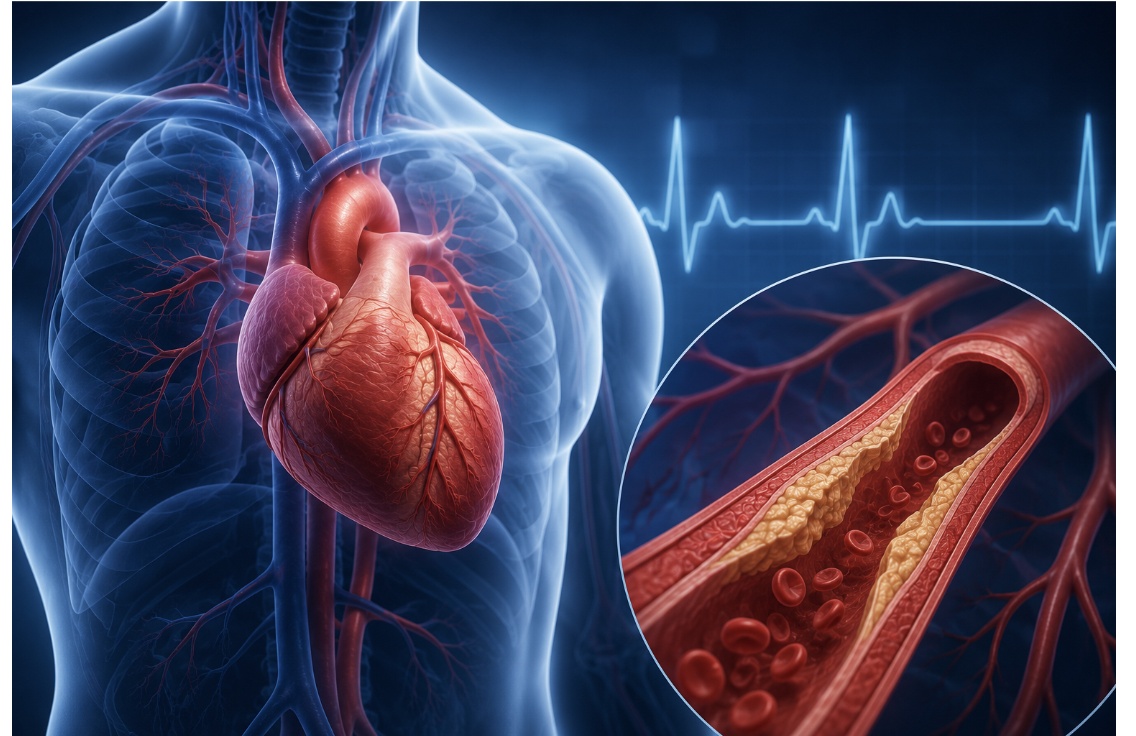
Heart disease is a broad term that includes conditions affecting the heart and blood vessels. One of the most common forms is coronary artery disease, which occurs when fatty deposits, known as plaque, gradually build up inside the arteries that supply blood to the heart.
This process, called atherosclerosis, often develops slowly over many years.
During the early stages, the narrowing of the arteries may not significantly reduce blood flow. As a result, many people continue to feel healthy and experience no noticeable symptoms while changes are occurring within their cardiovascular system.
Risk Factors Can Exist Without Symptoms
Even if you feel well, certain risk factors may increase your likelihood of developing heart disease.
These may include:
- High blood pressure
- High cholesterol
- Diabetes or prediabetes
- Smoking
- Obesity
- Physical inactivity
- A family history of heart disease
- Increasing age
Many of these risk factors can be present without causing any symptoms, which is why regular health assessments are an important part of preventive care.
When Symptoms Do Occur
As heart disease progresses, symptoms may begin to appear if blood flow to the heart becomes significantly reduced.
Possible symptoms may include:
- Chest pain or pressure
- Shortness of breath
- Fatigue with physical activity
- Heart palpitations
- Dizziness or lightheadedness
- Pain that spreads to the arm, jaw, neck, or back
However, not everyone experiences these classic symptoms. Some individuals, particularly women, older adults, and people with diabetes, may have less typical symptoms or very mild warning signs.
The Importance of Early Screening
Because heart disease can develop silently, screening plays an important role in identifying cardiovascular risk before symptoms appear.
Depending on your age, medical history, and individual risk factors, your healthcare provider may recommend:
- Blood pressure measurement
- Cholesterol testing
- Blood glucose testing
- Electrocardiogram (ECG)
- Additional cardiovascular imaging or specialized testing when appropriate
These assessments help build a more complete picture of your cardiovascular health and may identify concerns that warrant further evaluation or ongoing monitoring.
Supporting Long-Term Heart Health
While some risk factors, such as age and genetics, cannot be changed, many aspects of heart health are influenced by everyday lifestyle choices.
Maintaining regular physical activity, eating a balanced diet, avoiding tobacco, managing stress, and controlling conditions such as high blood pressure or diabetes can all help support cardiovascular health.
Regular preventive checkups also provide an opportunity to monitor changes over time and discuss personalized screening recommendations with your healthcare provider.
The Bottom Line
Feeling healthy does not always mean that your heart is free from disease. Many forms of heart disease can develop gradually without causing noticeable symptoms until they become more advanced.
Understanding your individual risk factors and participating in appropriate preventive screening can help identify potential concerns early, allowing for timely evaluation and informed decisions about your long-term cardiovascular health.