Full-Body MRI: What It Is and How It Can Support Early Detection
When it comes to your health, waiting for symptoms to appear isn't always the most proactive approach. Many serious conditions, including certain cancers and cardiovascular diseases, can develop silently before noticeable symptoms occur. This is why preventive health screening has become an increasingly important part of proactive healthcare.
One screening tool that has gained attention is the full-body MRI. This advanced imaging technology allows physicians to examine multiple areas of the body without using ionizing radiation, helping identify certain abnormalities that may warrant further evaluation.
What Is a Full-Body MRI?
A full-body magnetic resonance imaging (MRI) scan is a non-invasive imaging test that uses powerful magnets and radio waves to produce detailed images of organs, soft tissues, bones, and blood vessels throughout the body.
Unlike CT scans or X-rays, MRI does not use ionizing radiation. Instead, it creates highly detailed images that can help healthcare providers assess various areas of the body in a single examination.
What Can a Full-Body MRI Detect?
A full-body MRI may identify a variety of abnormalities, including:
- Certain tumors or suspicious masses
- Abnormalities involving the brain and spine
- Liver, kidney, and pancreatic abnormalities
- Musculoskeletal conditions
- Some vascular abnormalities
- Other unexpected findings that may require additional investigation
While a full-body MRI is a powerful diagnostic tool, it is important to understand that no screening test can detect every disease or replace routine medical care.
Who May Benefit From a Full-Body MRI?
A full-body MRI may be appropriate for individuals who:
- Have a family history of certain diseases
- Want a comprehensive assessment of their health
- Are interested in proactive health screening
- Have increased personal risk factors for certain conditions
- Wish to establish a health baseline for future comparison
The decision to undergo screening should always be based on an individual's medical history, risk factors, and discussion with a healthcare professional.
What Happens During the Scan?
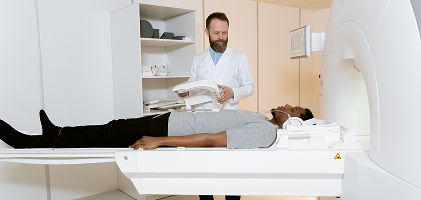
A full-body MRI is a painless procedure. During the scan:
- You will lie comfortably on the MRI table.
- The table slowly moves through the scanner.
- It is important to remain still while images are being captured.
- The scanner produces loud tapping noises, and ear protection is typically provided.
- The examination generally takes between 45 and 90 minutes, depending on the imaging protocol.
Most people are able to return to their normal daily activities immediately afterward.
Are There Any Risks?
MRI is considered a safe imaging technique for most people because it does not use radiation. However, because the scanner uses a strong magnetic field, it may not be suitable for individuals with certain implanted medical devices or metal fragments in the body.
Your healthcare provider will review your medical history before the examination to determine whether MRI is appropriate for you.
Full-Body MRI Is Part of a Larger Health Picture
Although a full-body MRI provides valuable information, it should not be viewed as a stand-alone solution. The most effective preventive health strategies often combine imaging with other assessments, including:
- Blood work
- Cardiac screening
- Cancer screening when appropriate
- Family history evaluation
- Lifestyle and risk factor assessment
Together, these tools provide a more complete understanding of your overall health.
The Value of Early Detection
Many serious medical conditions are easier to manage when identified early. Preventive screening aims to detect potential concerns before symptoms develop, allowing for timely follow-up and, when necessary, earlier treatment.
If you're interested in learning whether a full-body MRI may be appropriate for your individual health needs, speaking with a qualified healthcare provider can help determine the best screening approach based on your age, family history, and personal risk factors.
Taking a proactive approach today may provide valuable insight into your health and greater peace of mind for the future.