High Cholesterol: Why You Can't Feel It
Many people assume that if they feel healthy, their cholesterol levels must be normal. However, high cholesterol is often called a "silent condition" because it usually develops without causing any noticeable symptoms.
You can have elevated cholesterol for years without experiencing pain, fatigue, or any warning signs. During that time, cholesterol may gradually build up inside your arteries, increasing your risk of heart disease, heart attack, and stroke.
This is one of the reasons why routine bloodwork plays such an important role in preventive healthcare.
What Is Cholesterol?
Cholesterol is a waxy, fat-like substance that your body needs to function properly. It helps build healthy cells, produce hormones, and make vitamin D.
Your body naturally produces cholesterol, but it also comes from certain foods. Problems occur when cholesterol levels become too high.
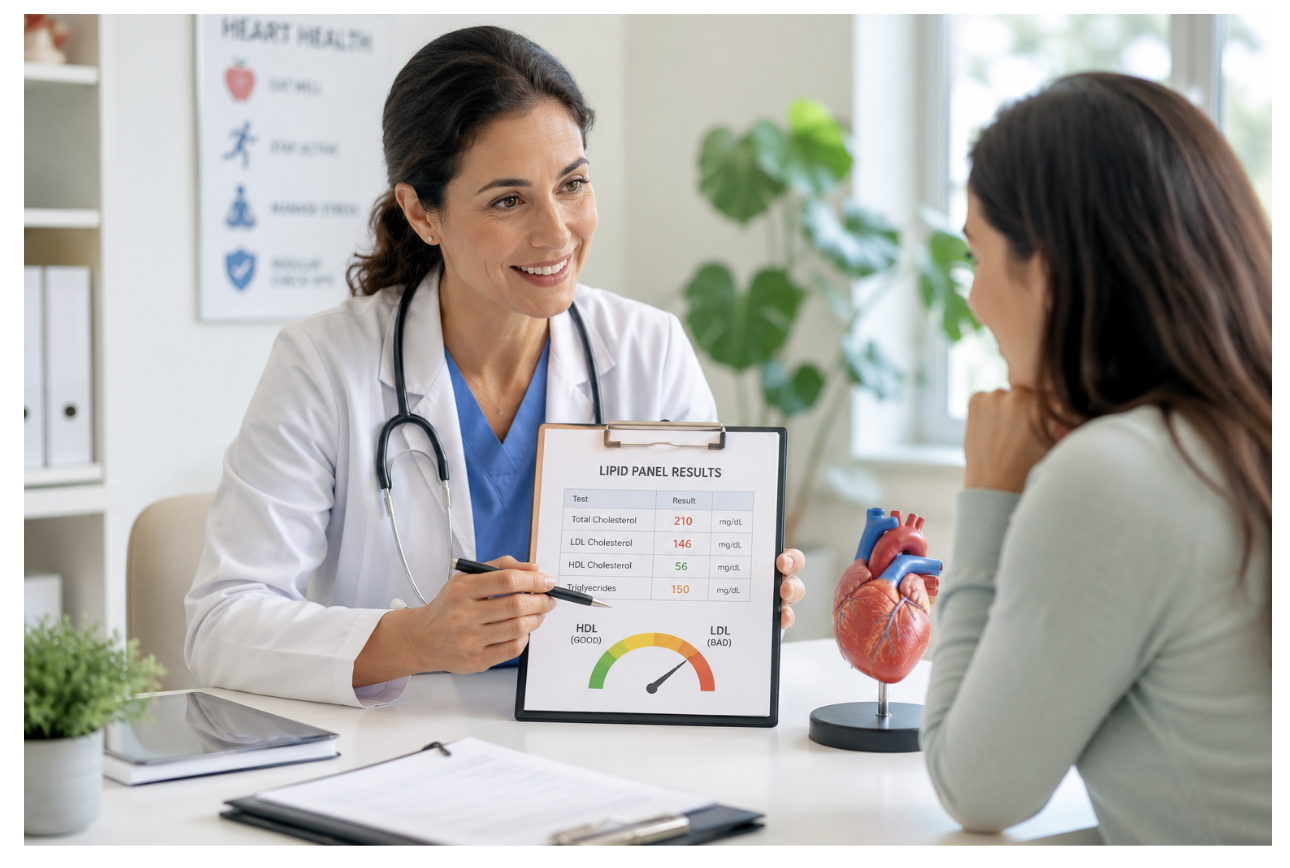
A standard lipid panel typically measures:
- LDL (Low-Density Lipoprotein): Often called "bad" cholesterol because it can contribute to plaque buildup inside the arteries.
- HDL (High-Density Lipoprotein): Known as "good" cholesterol because it helps remove excess cholesterol from the bloodstream.
- Triglycerides: A type of fat in the blood that can also increase cardiovascular risk when elevated.
Why Doesn't High Cholesterol Cause Symptoms?
Unlike many illnesses, high cholesterol does not usually affect how you feel.
Instead, excess cholesterol slowly deposits within the walls of your arteries, forming fatty plaques. Over time, these plaques can narrow the arteries and reduce blood flow to important organs, including the heart and brain.
This gradual process is known as atherosclerosis.
Because it develops slowly over many years, most people do not notice any symptoms until a serious complication occurs, such as a heart attack or stroke.
Who Is at Higher Risk?
Several factors can increase your risk of developing high cholesterol, including:
- Family history of high cholesterol or heart disease
- Increasing age
- High blood pressure
- Diabetes
- Smoking
- Physical inactivity
- Diet high in saturated or trans fats
- Being overweight or obese
It's important to remember that even individuals who maintain a healthy lifestyle may have high cholesterol due to inherited genetic factors.
How Is High Cholesterol Detected?
The only reliable way to know your cholesterol levels is through a blood test.
A lipid panel measures several different types of cholesterol and helps healthcare providers assess your overall cardiovascular risk. Since cholesterol usually causes no symptoms, routine screening is often the only way to detect elevated levels before complications develop.
Can High Cholesterol Be Managed?
For many people, cholesterol can be improved through healthy lifestyle habits, including:
- Eating a heart-healthy diet
- Being physically active
- Maintaining a healthy weight
- Avoiding tobacco products
- Managing blood pressure and blood sugar
Some individuals may also benefit from medication if lifestyle changes alone are not enough to reduce cardiovascular risk.
The Importance of Early Detection
High cholesterol is one of the clearest examples of why preventive healthcare matters. Waiting for symptoms is not an effective strategy because symptoms often appear only after significant damage has already occurred.
Routine bloodwork can identify elevated cholesterol early, allowing you and your healthcare provider to make informed decisions that may help reduce your long-term risk of cardiovascular disease.
The Bottom Line
High cholesterol often develops without causing any symptoms, which is why it can go unnoticed for years. The only way to know your cholesterol levels is through routine blood testing. Early detection provides an opportunity to identify potential cardiovascular risk before complications develop, allowing you and your healthcare provider to take proactive steps to protect your long-term heart health.