Simple Daily Habits That Support Healthy Aging
Healthy aging isn’t about finding one secret to living longer—it’s about making consistent choices that support your health over time. While aging is a natural part of life, the habits you develop today can have a meaningful impact on how you feel in the years ahead.
Research continues to show that lifestyle plays an important role in maintaining physical health, cognitive function, and overall well-being. By combining healthy daily habits with appropriate preventive healthcare, you can take proactive steps toward supporting your long-term health.
Why Healthy Habits Matter
As we age, our bodies naturally undergo changes. Muscle mass gradually declines, metabolism slows, and the risk of chronic conditions such as heart disease, diabetes, osteoporosis, and certain cancers increases.
Although aging itself cannot be prevented, many lifestyle habits have been shown to support healthy aging and reduce the risk of developing chronic disease.
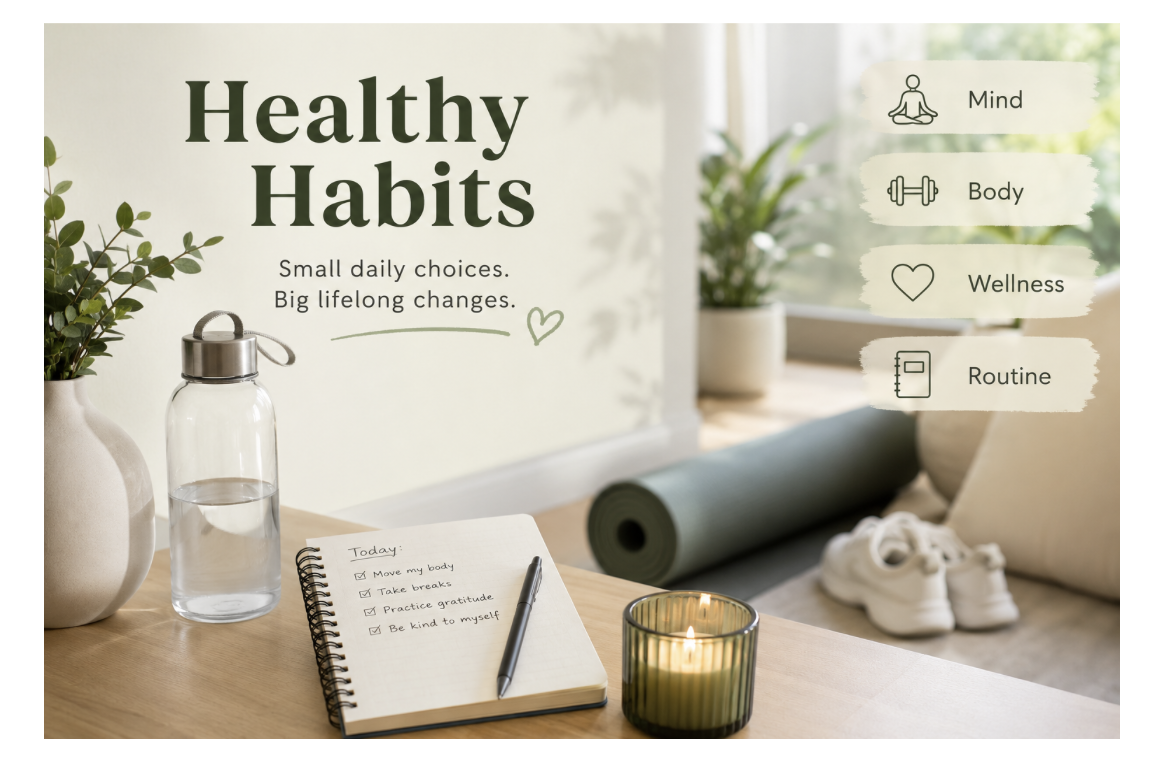
Small, consistent changes can make a meaningful difference over time.
Stay Physically Active
Regular physical activity is one of the most effective ways to support healthy aging.
Exercise helps:
- Maintain muscle strength and flexibility
- Support bone health
- Improve cardiovascular health
- Enhance balance and mobility
- Support cognitive function
- Improve mood and overall well-being
You don't need an intense fitness routine to experience benefits. Walking, cycling, swimming, resistance training, yoga, and other enjoyable activities can all contribute to a healthier lifestyle.
The goal is to stay active in a way that is sustainable for you.
Eat a Balanced, Nutritious Diet
Nutrition provides your body with the fuel it needs to function at its best.
A balanced diet that includes vegetables, fruits, whole grains, lean proteins, healthy fats, and fibre supports heart health, brain function, and overall wellness.
Limiting highly processed foods, added sugars, and excessive alcohol consumption may also help reduce the risk of chronic disease.
Healthy eating is about consistency—not perfection.
Prioritize Quality Sleep
Sleep is essential for both physical and mental health.
During sleep, your body repairs tissues, supports immune function, regulates hormones, and consolidates memories.
Most adults benefit from seven to nine hours of quality sleep each night.
Developing a consistent sleep schedule and creating healthy bedtime habits can improve both the quantity and quality of your sleep.
Manage Stress
Stress affects more than just your mental well-being.
Over time, chronic stress may contribute to high blood pressure, heart disease, sleep disturbances, and other health concerns.
Healthy ways to manage stress include:
- Regular physical activity
- Mindfulness or meditation
- Spending time outdoors
- Connecting with family and friends
- Hobbies that promote relaxation
Supporting your mental health is an important part of supporting your overall health.
Stay Socially Connected
Strong social relationships contribute to healthy aging.
Maintaining meaningful connections with family, friends, and your community can help reduce feelings of isolation while supporting emotional well-being and quality of life.
Even small moments of connection can have lasting benefits.
Keep Your Mind Active
Your brain benefits from regular mental stimulation throughout life.
Activities such as reading, learning a new skill, completing puzzles, playing musical instruments, or learning another language help keep the brain engaged and support lifelong learning.
Keeping both your body and your mind active is an important part of healthy aging.
Don't Forget Preventive Health Screening
Healthy lifestyle habits are incredibly important, but they cannot eliminate every health risk.
Some health conditions—including certain cancers and cardiovascular diseases—may develop without noticeable symptoms.
Preventive health assessments can help identify potential concerns before symptoms appear, allowing healthcare providers to recommend appropriate monitoring, lifestyle modifications, or treatment when needed.
Depending on your age and individual risk factors, preventive screening may include:
- Comprehensive blood testing
- Cardiovascular screening
- Cancer screening
- Whole-body imaging, when appropriate
- Personalized risk assessment
Together, healthy lifestyle choices and preventive screening provide a more complete approach to long-term health.
Benefits of Healthy Daily Habits
Adopting healthy habits may help:
- Support heart health
- Maintain muscle and bone strength
- Improve energy levels
- Enhance cognitive function
- Reduce the risk of chronic disease
- Promote healthy aging and overall well-being
- Improve quality of life
Healthy aging is not about making one perfect choice—it is about making many positive choices over time.
The Bottom Line
Healthy aging begins long before symptoms or health concerns appear.
Simple daily habits such as staying active, eating a balanced diet, getting enough sleep, managing stress, and maintaining social connections all contribute to long-term health. When combined with regular preventive health assessments, these habits can help you better understand your health, identify potential risks earlier, and support informed healthcare decisions.
Small steps taken today can have a meaningful impact on your health and quality of life for years to come.